Why Chinese use knives
Disclosure: Some links on this page are Amazon affiliate links. If you make a purchase through my links, I may earn a small commission at no extra cost to you.
If you’re from Europe or America, knives and forks feel like the natural way to eat. It’s easy to question: why do Chinese rely solely on chopsticks instead of our familiar cutlery sets?
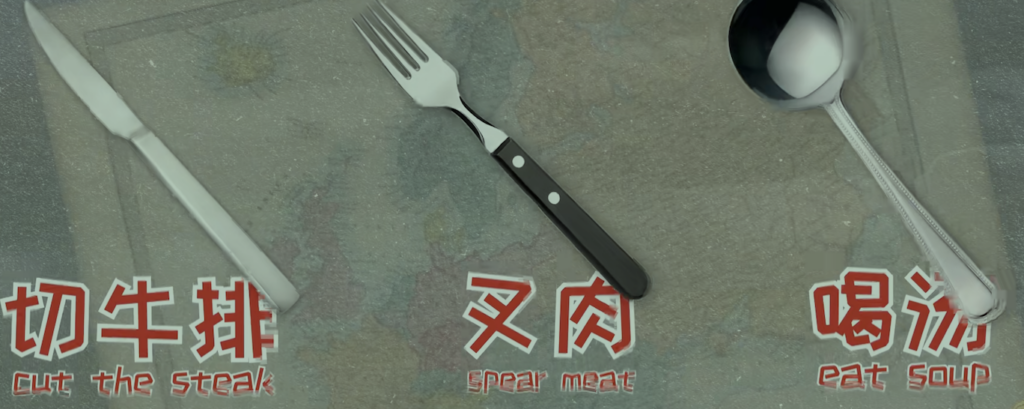
If you’re needing durable daily silverware for steak and home meals, this premium stainless steel knife and fork set is our top pick for everyday Western dining.
1. Ancient China Once Had Knife & Fork Cutlery
Archaeologists found bone knives and forks in Hemudu and Qijia Neolithic ruins, used for roasting big meat chunks—same early purpose as Western silverware. These tools were phased out due to massive shifts in farming and cooking styles.
2. Agriculture & Cooking Decided Tableware Choice
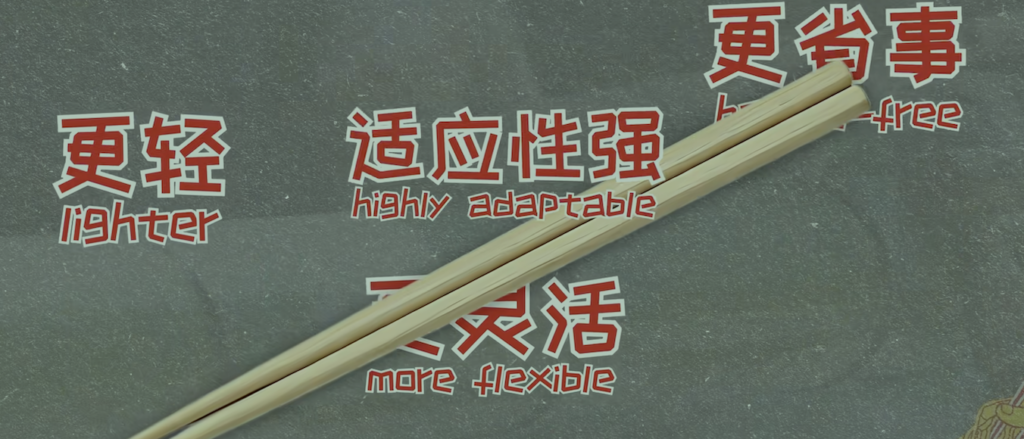
Chinese civilization centered on rice and millet. To save firewood and time, cooks chopped ingredients small for steaming, boiling and stewing in cauldrons. Pre-cut bite-sized food removed the need for table slicing. Simple chopsticks easily pick rice, veggies and meat for shared family meals.
Europe’s staple was wheat bread and whole roasted steaks. Solid large food pieces need forks to hold steady and sharp knives to slice, making knife-fork combinations the only practical option for Western diets.
Historically, forks were medieval European luxury goods only for nobles; ordinary people ate by hand until modern table etiquette popularized cutlery for all families.

3. High Conversion Cost Blocks Tool Switching
Westerners build lifelong muscle memory with knife and fork from childhood. Mastering chopsticks demands precise multi-muscle coordination, meaning steep learning costs. Western staple food forms haven’t changed for centuries, so cutlery stays optimal.
Similarly, hand-eating regions (India, Middle East) have food textures unsuitable for chopsticks, bound by long cultural habits.
4. More Westerners Are Learning Chopsticks Today
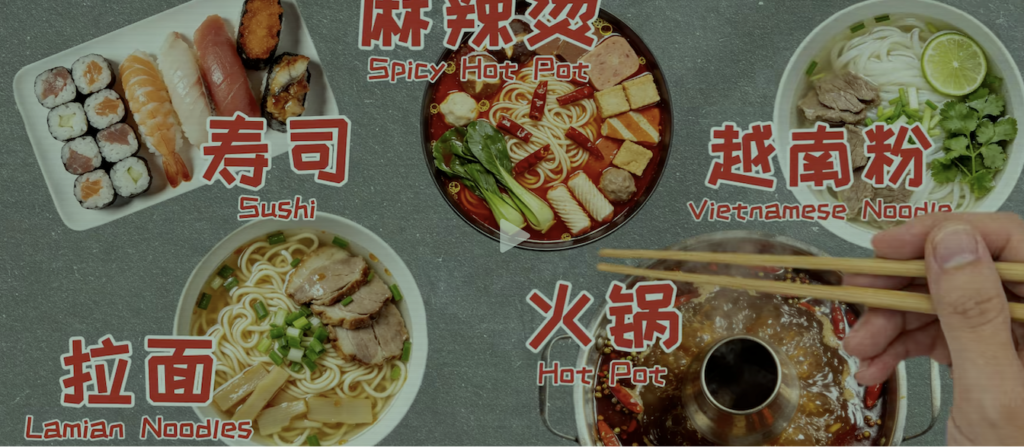
Asian food’s global expansion (hot pot, ramen, sushi, pho) fuels chopstick adoption. During UK PM Keir Starmer’s China visit, nearly all 140 staff chose chopsticks as a sign of cultural respect. Using chopsticks in Chinese restaurants is seen as polite, well-mannered adaptation.
New to using chopsticks? This beginner-friendly non-slip chopstick pack makes learning simple for adults and kids: Go to Amazon to purchase
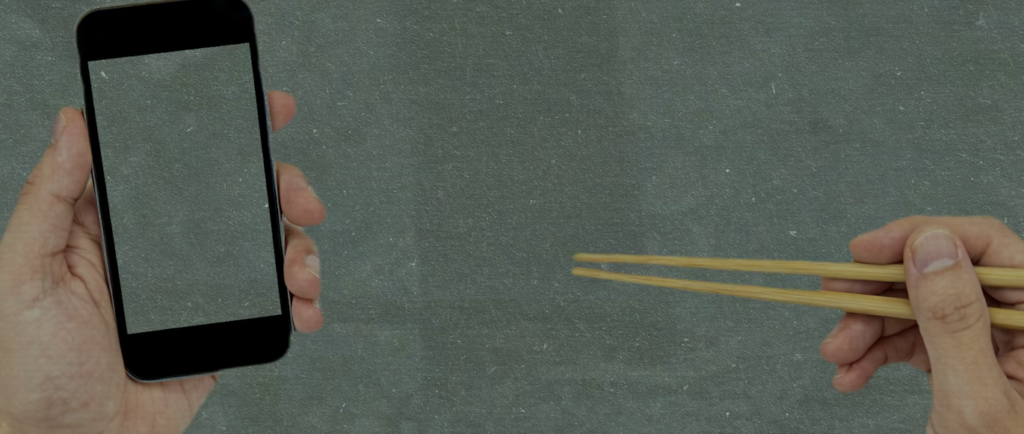
Chopsticks also fit modern phone-heavy lifestyles: they support one-handed eating, while knives and forks require two hands. Medically, chopstick use activates multiple brain areas for fine motor control, acting as daily brain exercise.
5. No Superior Tableware, Just Matching Food & Culture
Chopsticks won’t replace knives and forks worldwide, nor vice versa. There is no “advanced” or “backward” dining tool:
- Chopsticks: Ideal for rice, hot pot, noodles | Grab easy-use chopsticks here
- Knife & fork: Perfect for steak, roast, large bread | Shop sturdy western cutlery here
- Hands: Convenient for crayfish, flatbread wraps
Skill with one set of tableware isn’t better than another. The best dining way is whatever feels comfortable for your meal and culture.